
Sports
Why a new stadium might reshape the future of a CFL expansion city

Why a new stadium might reshape the future of a CFL expansion city
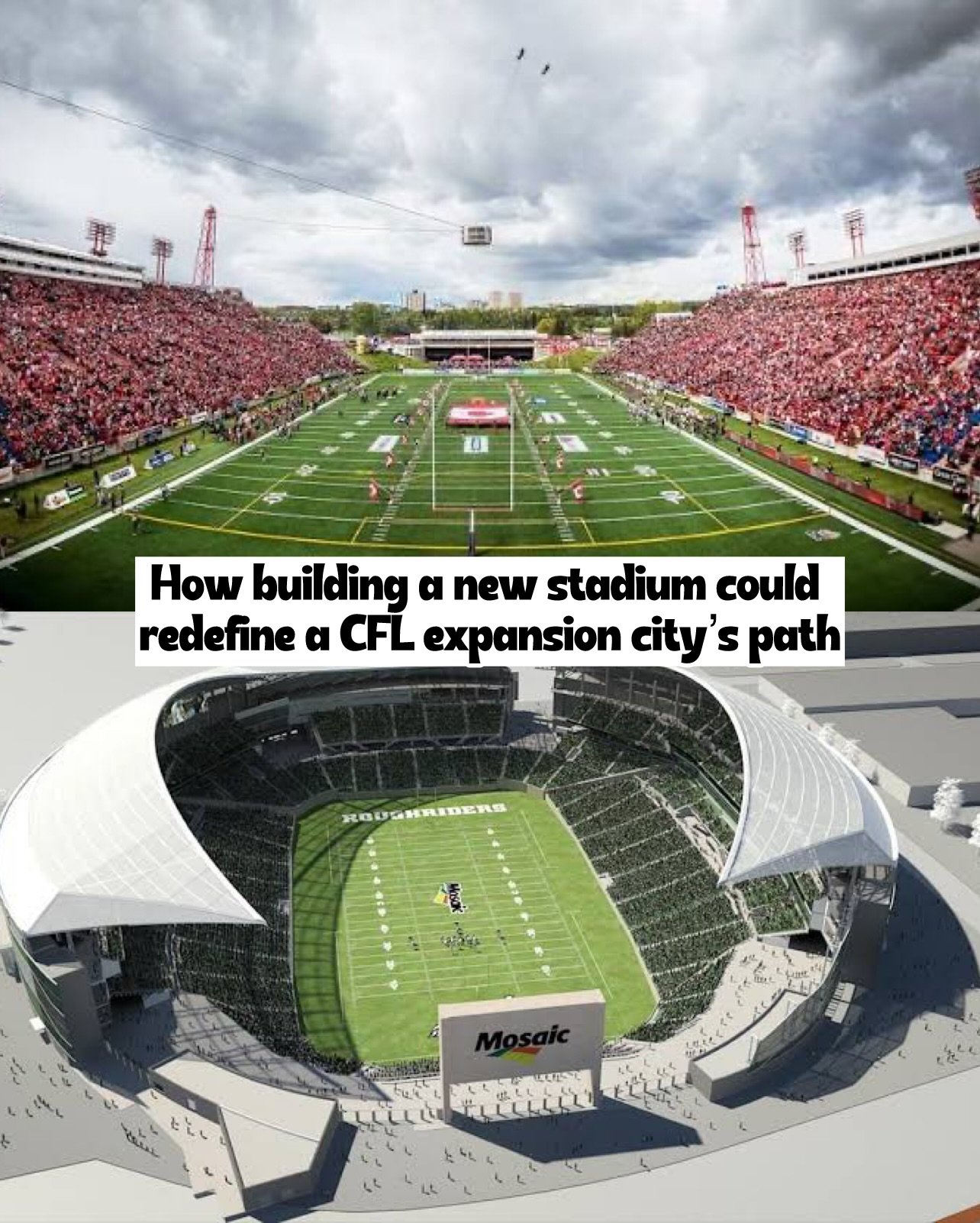
When the Canadian Football League considers expansion, the conversation often goes beyond talent, ownership groups, and fan interest. One factor consistently stands at the center of long-term success: infrastructure. More specifically, a modern stadium. For any prospective expansion city, a new stadium isn’t just a venue—it can be a catalyst for transformation on multiple levels.
A foundation for long-term stability
A new stadium provides the structural backbone an expansion franchise needs to thrive. Unlike older, multipurpose venues, modern stadiums are designed with football in mind, enhancing both the player experience and the fan atmosphere. Better sightlines, improved facilities, and upgraded technology create an environment that encourages repeat attendance and builds a loyal fanbase from day one.
More importantly, a purpose-built stadium signals commitment. It reassures fans, sponsors, and investors that the franchise isn’t a short-term experiment but a long-term project with ambition.
Driving economic growth
The economic ripple effect of a new stadium can be massive. Construction alone generates jobs and investment, but the real impact comes after opening day. Game days bring consistent traffic to local businesses—restaurants, hotels, transportation services—and help energize surrounding neighborhoods.
In many cases, stadium developments are tied to broader urban renewal projects. What starts as a football venue can quickly become the centerpiece of a revitalized district, attracting further commercial and residential development.
Boosting civic pride and identity
Sports have a unique ability to unite communities, and a new CFL team in a modern stadium can quickly become a source of civic pride. The stadium becomes more than just a place to watch games—it turns into a cultural hub where fans gather, celebrate, and connect.
For expansion cities, especially those looking to elevate their national profile, a new stadium can help define identity. It gives the city a stage to showcase itself, not just to local supporters but to a wider audience across the league.
Attracting events beyond football
Modern CFL stadiums are rarely used for football alone. They often host concerts, international matches, festivals, and community events. This multi-use capability ensures year-round relevance and revenue generation.
For an expansion city, this versatility is crucial. It maximizes the return on investment and positions the stadium as a central entertainment venue, benefiting both the team and the broader community.
Strengthening the franchise’s competitiveness
Facilities matter when it comes to attracting players, coaches, and staff. A state-of-the-art stadium with high-quality locker rooms, training areas, and amenities can give a new franchise a competitive edge. It sends a message that the organization is serious about excellence, which can influence recruitment and performance.
A risk—but a calculated one
Of course, building a new stadium is not without challenges. Costs can be significant, and public funding debates often arise. However, when planned effectively—with strong partnerships between private investors and local authorities—the long-term benefits can outweigh the initial risks.
The bigger picture
For a CFL expansion city, a new stadium is more than just bricks and steel. It’s an investment in identity, economy, and future growth. It shapes how the team is perceived, how fans engage, and how the city evolves alongside its newest sporting institution.
In the end, while players win games and coaches build teams, it’s often the stadium that lays the groundwork for everything else.
-

 Sports3 weeks ago
Quinn, Jack Hughes fire back at Toronto press post-Gold Medal win
-

 Blog1 month ago
New news on Marie-Philip Poulin creates uncertainty ahead of quarterfinal
-

 Other Teams1 month ago
Police comment on fatal accident that claimed the lives of three junior hockey players
-

 Other Teams4 months ago
CFL Expansion: 3 New Cities That Should Get a Team and reason why
-

 Other Teams4 months ago
Saskatchewan Roughriders quarterback Trevor Harris breaks silence and deliver his swift decision on his CFL future
-

 Blog1 year ago
ULTIMA ORA: Riesco ancora a mangiare 3 pasti al giorno anche senza la Juve. Il direttore sportivo della Juventus FC Cristiano Giuntoli ha lasciato la Juve senza parole annunciando ufficialmente la data del suo addio a causa…
-

 Sports1 month ago
Harsh wake-up call for driver involved in Humboldt Broncos tragedy
-

 Sports4 days ago
These CFL stadiums are crying out for renovations, fans won’t like who lands at No.3.