
Sports
The NHL has gone soft — Five (5) old-school rules that would bring back tougher hockey

Hockey has always walked the line between skill and snarl. Speed and finesse may define today’s NHL, but a loud section of fans believe something important has faded: fear, edge, and raw physical intimidation. The modern game is faster than ever — but is it softer too?
Here are five old-school elements that many believe would instantly make the NHL feel tougher again.
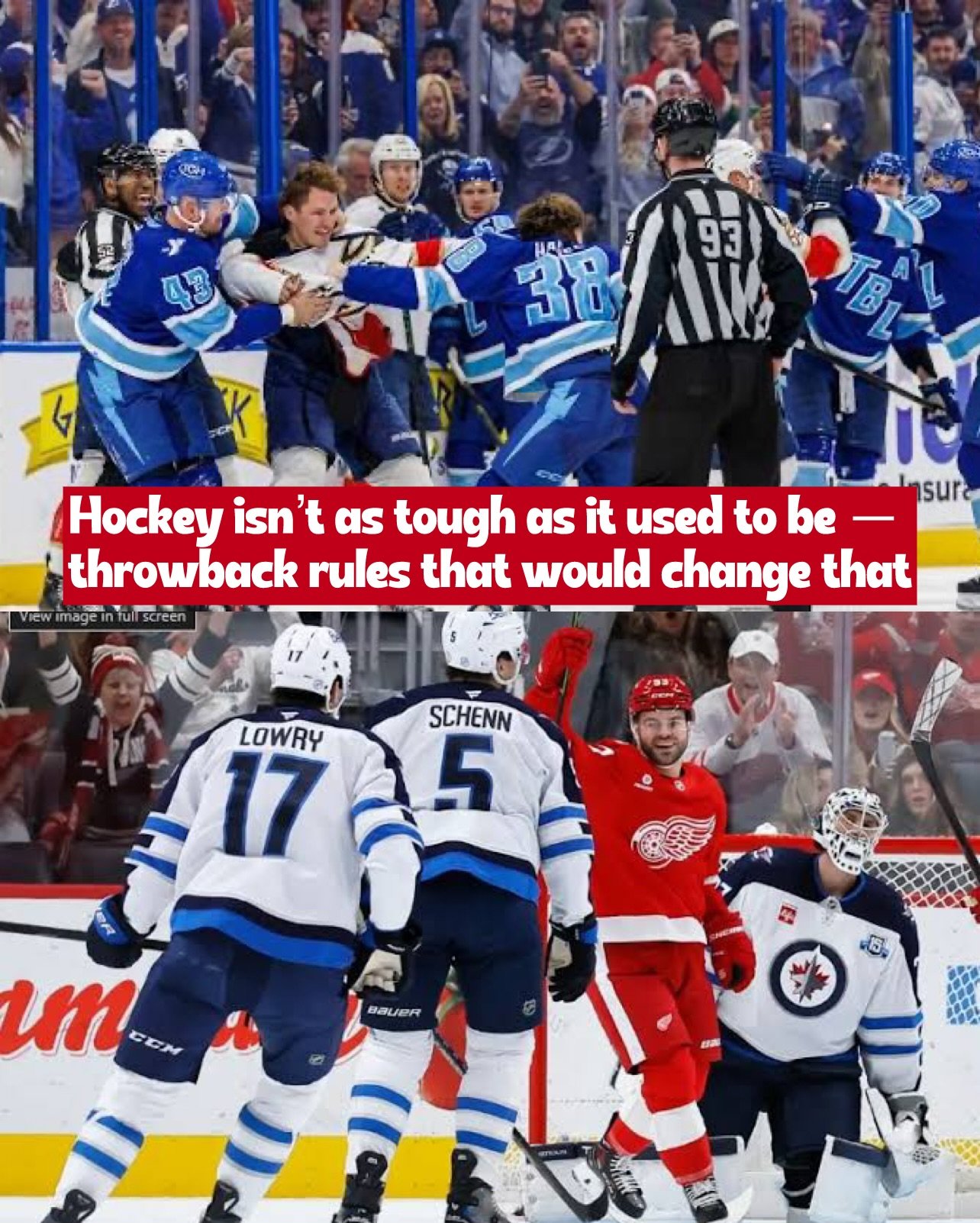
1. Let players police the game
Years ago, teams had enforcers whose presence alone kept opponents honest. If a star player took a cheap shot, there were consequences. Today, stricter fighting rules and automatic instigator penalties have reduced that self-policing culture.
Supporters of the old way argue that when players handled things themselves, cheap hits dropped because nobody wanted to answer the bell later. Now, everything relies on officials — and players know they can sometimes get away with borderline plays.
2. Bring back true crease battles
Modern goaltenders are heavily protected, and the blue paint has become a no-go zone. In past eras, forwards battled for position right on top of the goalie, fighting through cross-checks and defenders to create chaos.
That net-front war created ugly goals, broken plays, and emotional scrums that lifted crowd energy. Today’s cleaner sightlines and tighter restrictions have reduced those gritty moments that once defined playoff hockey.
3. Loosen interference and board-play standards
The league has cracked down on clutching, grabbing, and heavy board contact to increase speed and offense. While that’s worked in terms of flow, it has also reduced the grinding, punishing shifts that wore teams down.
Old-school hockey forced players to earn every inch along the boards. Finishing checks consistently changed the tone of games and series. Many fans miss that physical chess match where endurance mattered as much as talent.
4. Let rivalries get heated again
Automatic misconducts, stricter roughing calls, and quick referee intervention often stop scrums before they escalate. But those post-whistle confrontations used to fuel rivalries that lasted decades.
Bad blood sells. Players remembering past hits, teams circling games on the calendar, and playoff grudges boiling over created must-watch intensity. The emotion now feels more controlled — and some say less authentic.
5. Smaller goalie equipment
Today’s goaltenders are bigger, more technical, and backed by equipment designed to maximize coverage. In earlier eras, gear was lighter and slimmer, which led to more rebounds, scrambles, and second-chance violence around the net.
Smaller equipment wouldn’t just increase scoring — it would bring back those desperate crease battles that tested toughness as much as skill.
The big debate
The counterargument is clear: today’s NHL is smarter, safer, and more skilled than ever. The league has reduced head injuries, improved speed, and opened the ice for creative players. But for many longtime fans, something emotional has been traded away.
They don’t just want highlights — they want hostility. They want games that feel dangerous, where every shift has an edge and every series builds real hatred.
The question isn’t whether the NHL is more talented now. It’s whether the game has lost a layer of grit that once made hockey the most intense sport on ice.
-

 Sports1 month ago
Quinn, Jack Hughes fire back at Toronto press post-Gold Medal win
-

 Blog1 month ago
New news on Marie-Philip Poulin creates uncertainty ahead of quarterfinal
-

 Other Teams4 months ago
CFL Expansion: 3 New Cities That Should Get a Team and reason why
-

 Other Teams2 months ago
Police comment on fatal accident that claimed the lives of three junior hockey players
-

 Other Teams4 months ago
Saskatchewan Roughriders quarterback Trevor Harris breaks silence and deliver his swift decision on his CFL future
-

 Sports2 weeks ago
These CFL stadiums are crying out for renovations, fans won’t like who lands at No.3.
-

 Blog1 year ago
ULTIMA ORA: Riesco ancora a mangiare 3 pasti al giorno anche senza la Juve. Il direttore sportivo della Juventus FC Cristiano Giuntoli ha lasciato la Juve senza parole annunciando ufficialmente la data del suo addio a causa…
-

 Sports2 months ago
Harsh wake-up call for driver involved in Humboldt Broncos tragedy